Listening science
Audience perception, coverage, and clarity remain central to how system options are framed.
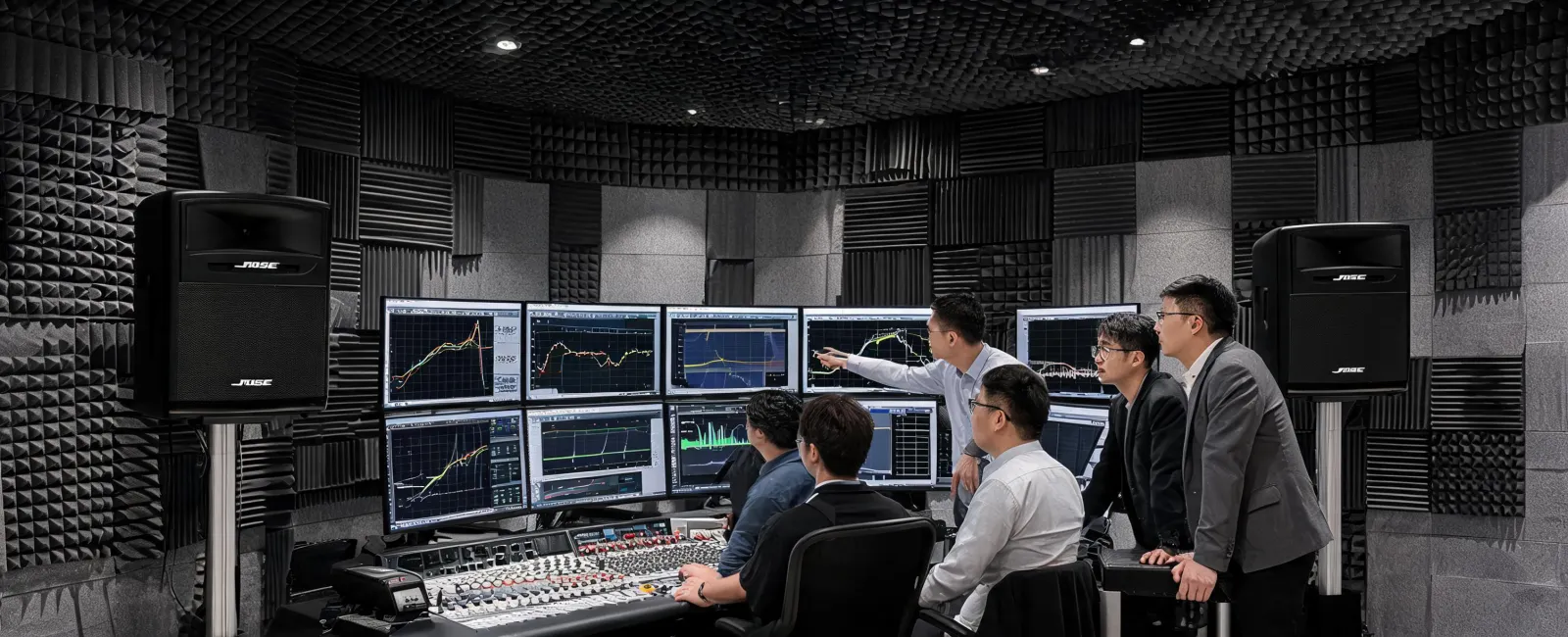
Bose Professional is a large, established audio brand serving the people who design, install, operate, and support sound systems in commercial environments.
The Bose Professional story is strongest when it is told through rooms rather than slogans. A loudspeaker family is not meaningful until it is connected to a listener area, a ceiling condition, a stage position, a control interface, and the person who must operate the system after commissioning. This site rendering treats the brand as a professional partner for those practical decisions.
In commercial audio, reputation comes from repeatable outcomes. A venue manager wants intelligible speech and musical impact without daily troubleshooting. A consultant wants data that survives value engineering. A rental team wants portable PA that packs quickly and behaves predictably. An integrator wants support language that can be shared with procurement, installers, and end users. Bose Professional content should speak to all of those pressures with calm technical specificity.
That specificity is measurable, not rhetorical. A defensible brief states the intelligibility margin it is targeting (commonly 4 to 6 dB over the room noise floor), the crossover region where subwoofers take over from the main loudspeakers (often 80 to 100 Hz), the coverage format chosen for the room depth, and the network and DSP path that operators will use after handoff. These are the parameters that survive a commissioning measurement, and they are how an authority-led brand should be judged.
Audience perception, coverage, and clarity remain central to how system options are framed.
Product selection is mapped to venue use, installation limits, and operator expectations.
Dealer routing, documentation, and commissioning notes help teams make decisions that hold up on site.
Higher output is only useful when coverage, intelligibility, and listener comfort remain controlled across the room.
Loudspeakers, subwoofers, processing, control, rigging, and operator workflow are treated as one audio path.
A system is not finished until the team responsible for daily operation understands settings, signals, and support steps.
Authority-focused audio content should recognize the mixed team behind every project: consultants who define performance targets, integrators who translate drawings into installed systems, production managers who need consistent show readiness, and facility leaders who must maintain the result after the opening night.
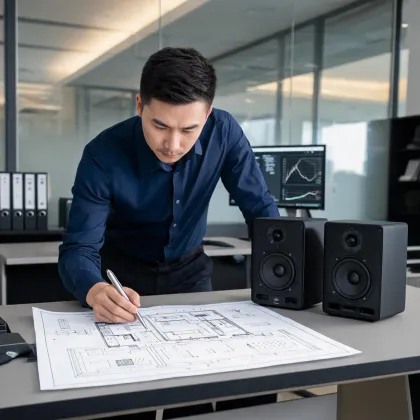
Translate business goals, room constraints, and performance targets into a specification language the project team can compare.
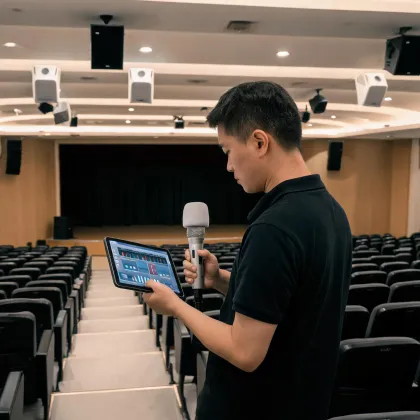
Coordinate hardware, mounting, signal routing, control access, testing, and handoff documentation for reliable daily use.
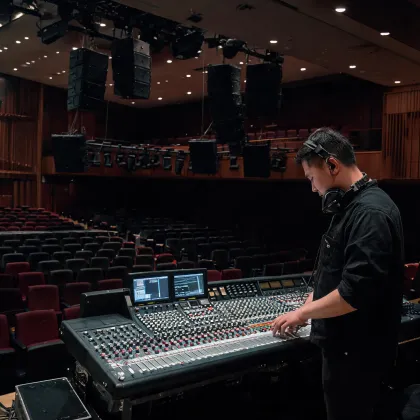
Need controls, presets, and support information that make the system usable long after the installation crew leaves.
Commercial buyers often need more than product names. They ask for electrical compliance notes, process discipline, network compatibility, warranty expectations, and support channels. Presenting those proof points clearly reduces friction for procurement and helps technical teams stay focused on application fit.
These applicability notes set realistic expectations for buyers comparing a Bose Professional path against their room, budget, and operating reality.
Commercial and installed venues that value coverage discipline, a 4 to 6 dB intelligibility margin over the noise floor, networked control, and serviceable handoff over the lowest unit price. Rooms where a documented signal path and predictable daily operation matter more than a single headline SPL number.
We name at least three limits before commissioning, not after. First, room acoustics override the loudspeaker: a long reverberation time is not cured by speaker choice and needs treatment or steerable coverage. Second, thermal power compression means sustained high-level output falls below peak SPL figures unless headroom and box count are planned. Third, environment rating constrains the catalog — outdoor, humid, or wash-down spaces require weather-rated hardware that standard indoor models will not survive. The recurring trade-off, flown line array for even throw past 15 m versus a simpler point source for a sub-200-seat room, is decided by the architecture, not by preference.
Pure budget paging, residential listening, or single-presenter speech in a small, well-behaved room under roughly 100 square metres may not need a system-level pro audio brief at all. We say so when a simpler solution will serve the room better.