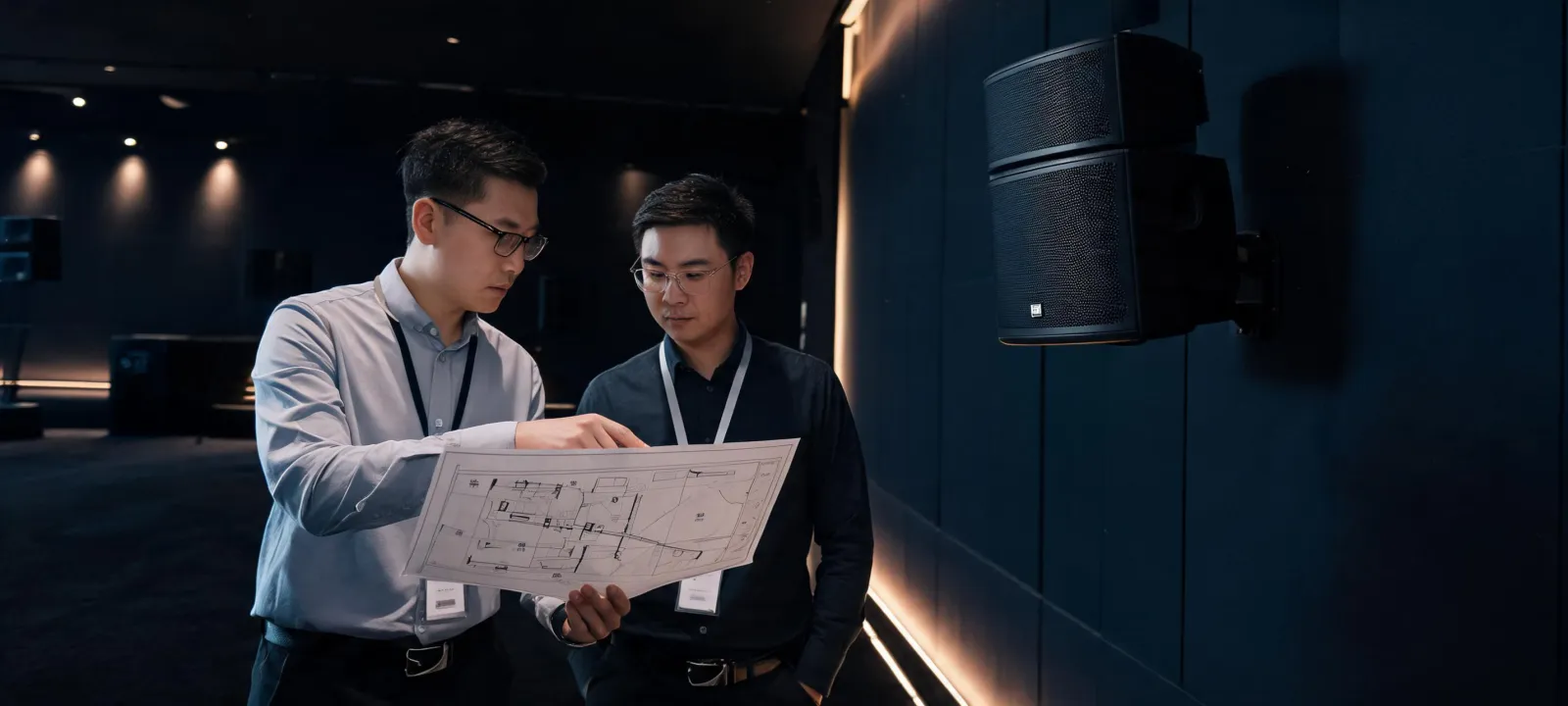
Touring and event production
Portable PA, stage monitors, subwoofers, and scalable loudspeaker systems help production teams build repeatable shows under changing room and schedule constraints.
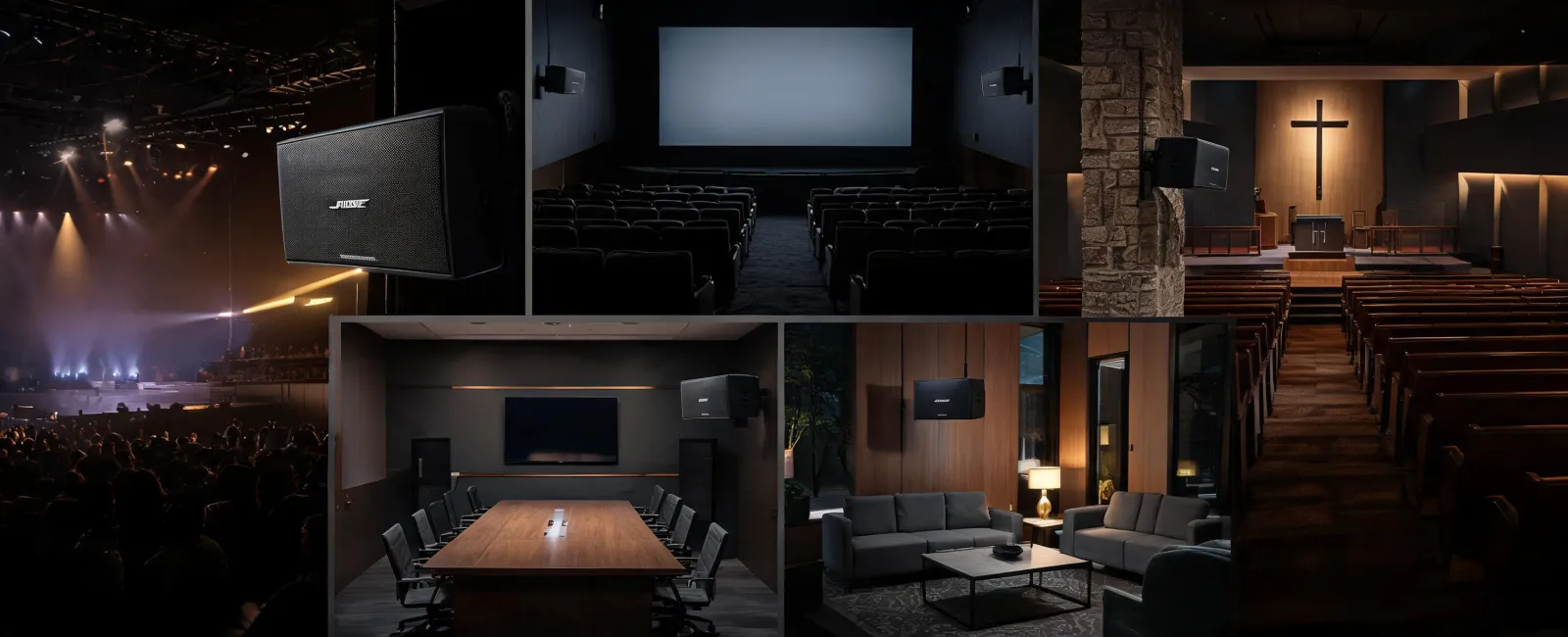
Commercial audio decisions change from room to room, but every application still depends on coverage, intelligibility, control, service access, and a product path that fits the people operating the space.
Portable PA, stage monitors, subwoofers, and scalable loudspeaker systems help production teams build repeatable shows under changing room and schedule constraints.
Installed rooms need predictable coverage, low visual disruption, clear operator controls, and documentation that can be maintained by staff or local partners.
Speech intelligibility, hybrid meeting audio, source routing, and discreet hardware placement shape decisions in boardrooms, lecture spaces, and multipurpose rooms.
Audience experience depends on controlled loudspeaker placement, low-frequency extension, serviceable equipment access, and repeatable calibration notes.
Music zones, paging needs, architectural finish, and simple daily operation matter as much as peak performance in hospitality environments.
Schools and universities need durable systems that support lectures, performances, events, and varied operators without becoming hard to manage.
Every venue weighs a different operating outcome. A production stage cares about fast setup and monitoring confidence. A corporate room cares about voices. A hotel cares about zones, aesthetics, and unobtrusive daily control. The same Bose category can serve all three only when the brief is specific.
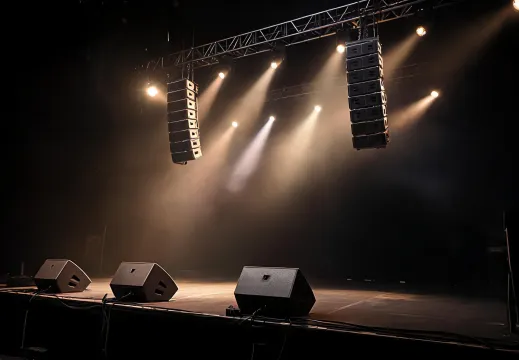
A portable PA and monitor plan can reduce setup time while preserving speech clarity for presenters and performers.
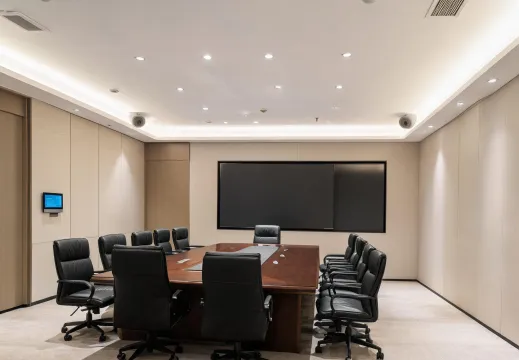
Installed loudspeakers and control routing help conference spaces support spoken content without distracting hardware.
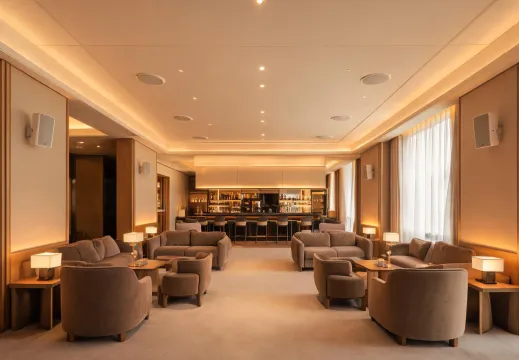
Hospitality systems are easier to maintain when music, paging, and staff control are planned together.
Industry pages earn trust by showing the disagreement, not hiding it. For each environment below, two competing approaches are laid out with what each one gives up.
In reverberant glass-and-stone rooms, beam-steering columns aim energy onto the congregation and away from hard surfaces for speech clarity, but sacrifice musical low-end. A distributed ceiling array gives even coverage and discreet aesthetics yet struggles to reject the reverberant field. The reverberation time decides.
A flown line array delivers long, even throw across a deep audience but demands rigging certification, flight hardware, and aiming time. Ground-stacked point source sets up fast and reduces overhead risk, trading front-to-back SPL consistency in larger rooms. Schedule and venue depth, not preference, settle it.
Ported subwoofers maximize extension and output per watt for cinema impact; sealed designs trade efficiency for tighter transients and predictable behavior near walls. A multiplex chasing impact leans ported, while a mixed-use room with neighbor or structural limits often picks the controlled, sealed path.
Passive loudspeakers with central amplifier racks centralize service and limiter control but add cabling and rack space. Powered, networked boxes simplify wiring and put DSP at the speaker, at the cost of more network and firmware management. Operator skill and IT support availability decide which is honest for the building.
Worship halls, stadiums, and atria with long reverberation times cannot be made intelligible by loudspeaker choice alone; without treatment or steerable coverage, added SPL only raises the reverberant field. Coverage discipline has a ceiling set by the architecture.
Sustained high-level shows expose thermal power compression, so rated peak SPL is not what the rig delivers across a two-hour set. Amplifier headroom and box count, not a single impressive figure, determine real coverage at the back row.
Background-music zones must sound intentional at low level yet stay ready for paging, and outdoor or poolside areas need weather-rated enclosures. Standard indoor loudspeakers placed outside fail early, so environment rating constrains the catalog before performance does.