Model the room
Define listener areas, mounting limits, acoustic behavior, and program type before hardware is discussed.
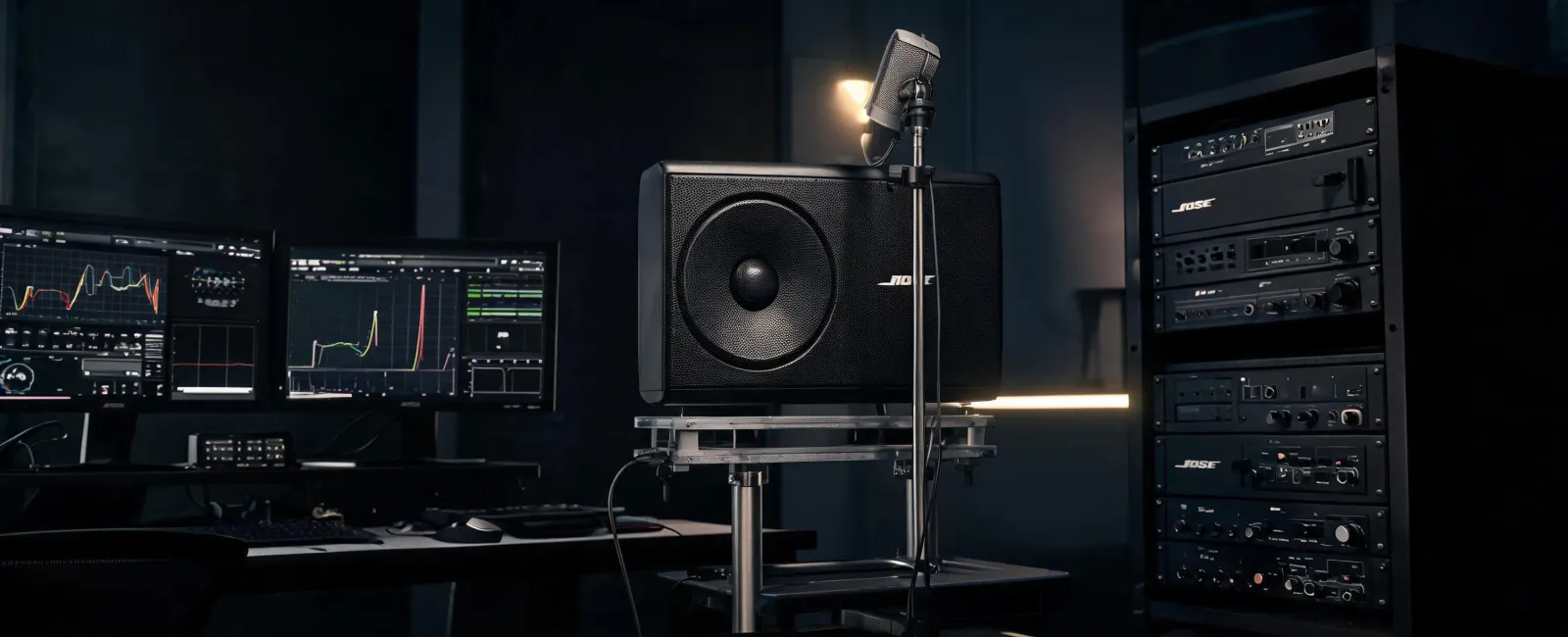
Professional audio technology is valuable when it makes coverage, tuning, control, and service behavior more predictable for the people responsible for the room.
The roadmap below describes how a professional audio brief becomes a technical system that can be designed, installed, tuned, and supported. It keeps the focus on acoustic targets, product platform decisions, signal routing, commissioning discipline, and the control path that venue teams use every day.
Define listener areas, mounting limits, acoustic behavior, and program type before hardware is discussed.
Choose loudspeaker, PA, subwoofer, monitor, and processing families around coverage and workflow requirements.
Document inputs, routing, DSP behavior, network control, presets, and operator access for daily use.
Verify coverage, gain structure, zone behavior, and handoff notes so the system can be maintained.
Integrators and consultants need technology content that connects features to field outcomes. A control platform matters because it reduces daily operator error. A loudspeaker design matters because it shapes coverage and clarity. A portable PA choice matters because setup time and monitoring confidence affect the event before the audience arrives.
Speaker selection is tied to throw, vertical pattern, seating shape, and reflective surfaces.
4 venue inputsPresets, routing, limiters, and zone logic support consistent performance between operators.
Signal path firstTouch panels, source priorities, and user permissions are planned for staff confidence.
Room-ready UICommissioning records and dealer routing make future adjustments less dependent on memory.
Handoff notesA professional audio system often involves consultants, AV integrators, IT staff, electrical contractors, architects, and venue operators. Each group touches a different layer of the system, so the technology narrative should help them understand where their decisions intersect.
Performance criteria, room assumptions, and specification discipline.
Hardware installation, signal routing, tuning, testing, and training.
Network access, control security, device naming, and support policies.
Preset use, source selection, event readiness, and escalation steps.
This is a selection-factor comparison, not a product ranking. Each format is strong on some axes and compromised on others; the room sets the priority.
| Coverage format | Even throw / depth | Low-frequency impact | Rigging & install effort | Reverberant-field rejection | Best where |
|---|---|---|---|---|---|
| Flown line array | Strong over 15 to 40 m | Moderate (needs subs) | High (flight hardware, certification) | Moderate | Deep halls, touring, large audiences |
| Point source | Good to ~15 m | Moderate to strong | Low | Low to moderate | Sub-200-seat rooms, fast setup |
| Steerable column | Good, electronically aimed | Limited | Low to moderate | High | Worship, transit, glass-and-stone spaces |
| Distributed ceiling | Even, short throw | Low | Moderate (many points) | Low | Retail, paging, low-ceiling zones |
Specification figures shown are typical commercial-room ranges to frame the trade-off; final values come from the model series, room model, and measured commissioning data, not from a category label.
Powered boxes put DSP and amplification at the speaker, cutting cable runs and easing zoning, but they add per-box network and firmware management. Passive loudspeakers on central amplifier racks centralize service and limiter control at the cost of cabling and rack space.
Decided by IT supportHeavily DSP-tuned presets adapt a loudspeaker to a difficult room and protect drivers with limiters, but mask the native response and complicate troubleshooting. A flatter starting point is more transparent and portable, yet leans on good acoustics and disciplined gain structure.
Decided by room treatmentSustained high level heats voice coils, so continuous output falls below peak SPL figures during long events. Headroom and box count must be planned for; no preset removes the physics.
Plan amplifier headroomNetworked audio (Dante and similar) adds switch configuration, clocking, and fixed processing latency to manage. The convenience of remote control comes with infrastructure that IT and AV teams must maintain together.
Shared IT ownership